Cocktails and Sorcery: The Magic of the Mixed Drink
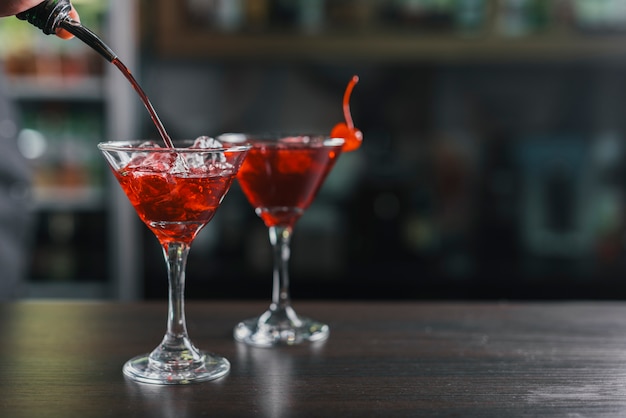
There has always been something a little magical about cocktails. Long before a drink reaches the lips, the ritual begins: bottles lifted from the shelf, glassware chosen, citrus peeled, herbs crushed, bitters dashed, flame touched to orange oil, smoke curled under a coupe. A good cocktail is not just poured. It is conjured.
At its heart, cocktail making and sorcery share the same basic language: ingredients, intention, transformation, and presentation. A sorcerer gathers roots, herbs, powders, oils, and symbols. A bartender gathers spirits, syrups, fruit, spices, bitters, smoke, and ice. Both understand that the right combination of elements can change the mood of a room.
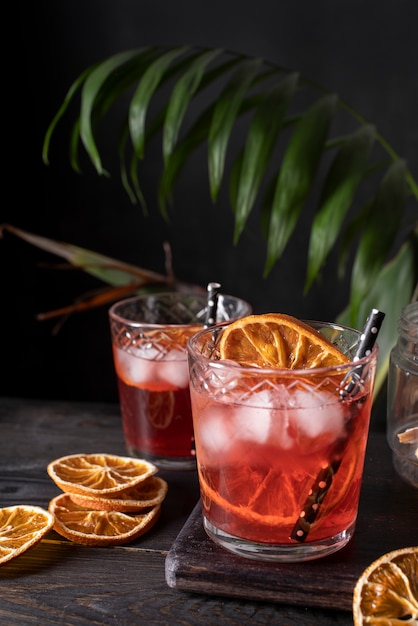
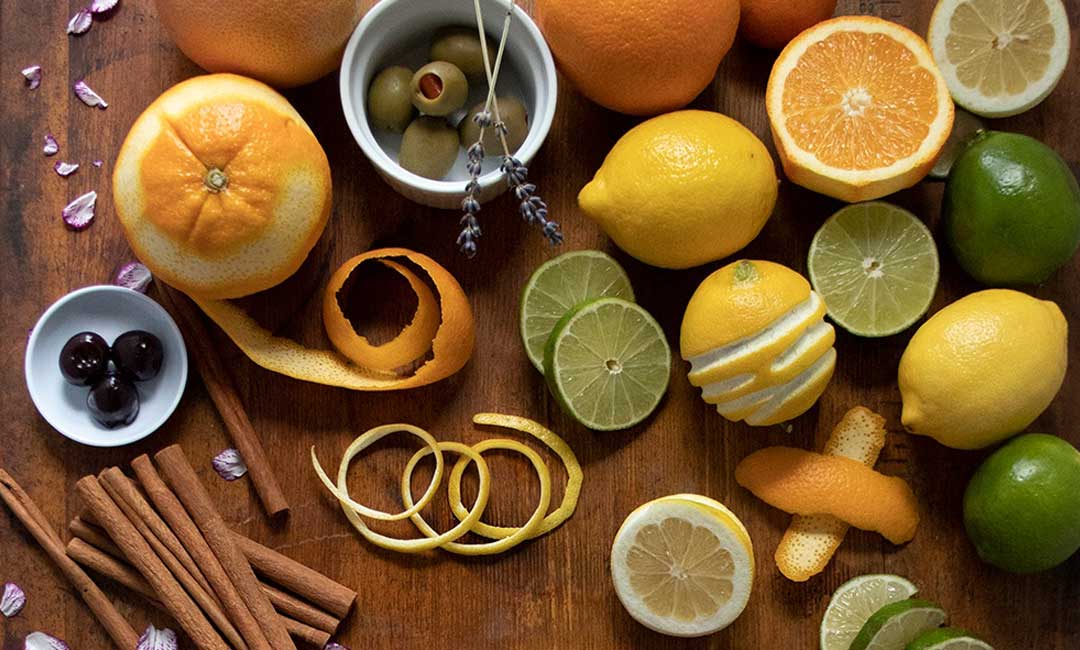
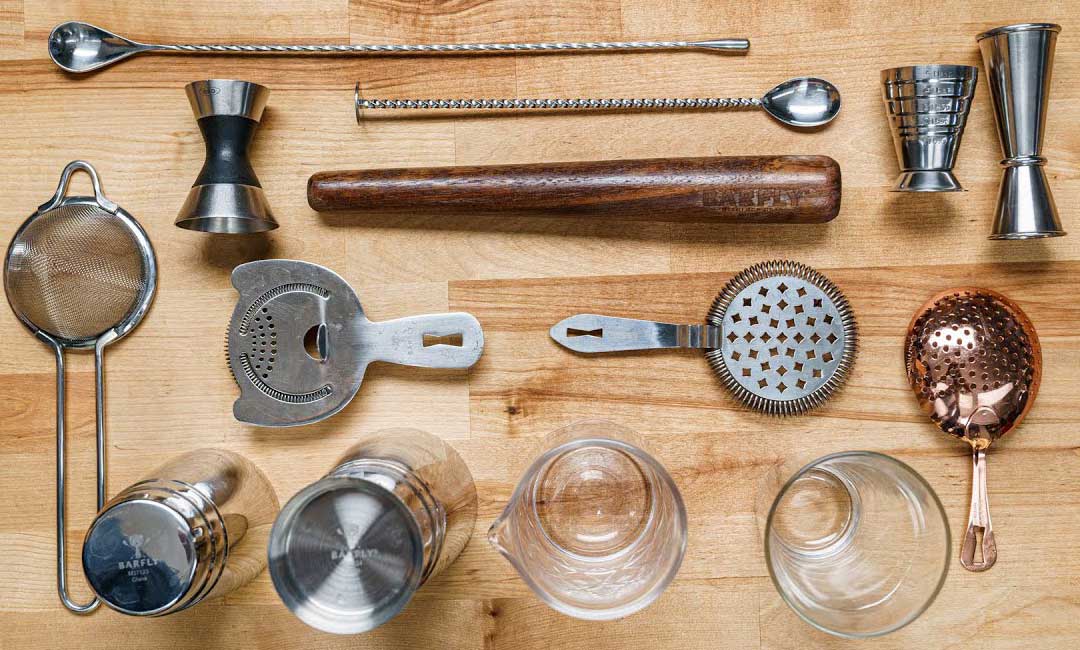
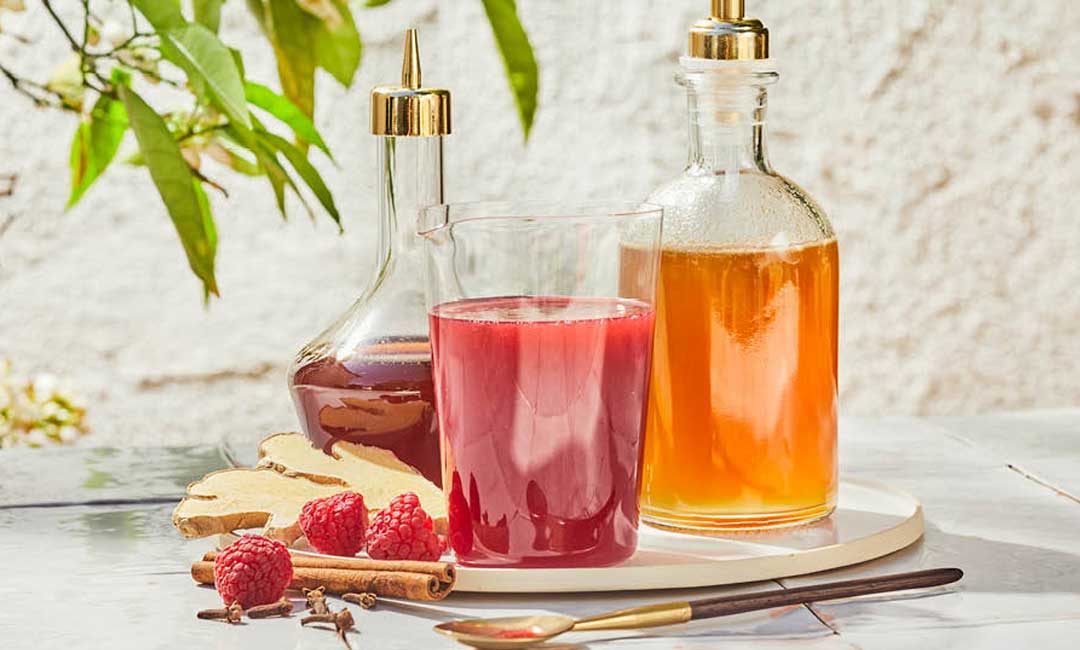
The bar itself can feel like an apothecary. Bottles glow amber, ruby, emerald, and gold beneath low light. Strange tinctures sit in small glass droppers. Dried flowers, cinnamon sticks, citrus wheels, star anise, and fresh mint wait like charms. Even the tools have a ritual quality: the shaker, the jigger, the bar spoon, the muddler, the strainer. Each has a purpose, and each must be used with care.
A cocktail is also a kind of spell because it begins with intention. A Martini is sharp, elegant, and controlled. An Old Fashioned is warm, steady, and confident. A Mai Tai is escapism in a glass, a little tropical theater built from rum, lime, orgeat, and mystery. A Bloody Mary is almost a protective charm against the morning after. The drinker may not say it out loud, but every order carries a desire: refresh me, impress me, comfort me, wake me up, slow me down, make tonight memorable.
The transformation is where the real enchantment happens. Whiskey, sugar, bitters, and ice are simple things on their own, but stirred together they become something richer than their parts. Gin and vermouth become a Martini through temperature, dilution, and precision. Rum, lime, mint, and soda become a Mojito through brightness and lift. Like sorcery, the craft depends on balance. Too much sweetness and the spell becomes heavy. Too much bitterness and it turns harsh. Too little dilution and the drink feels unfinished.
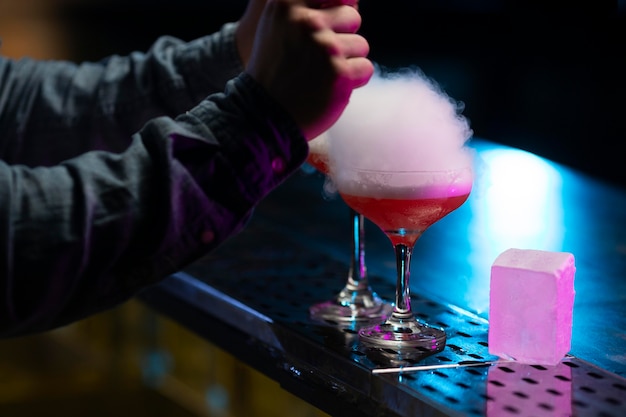
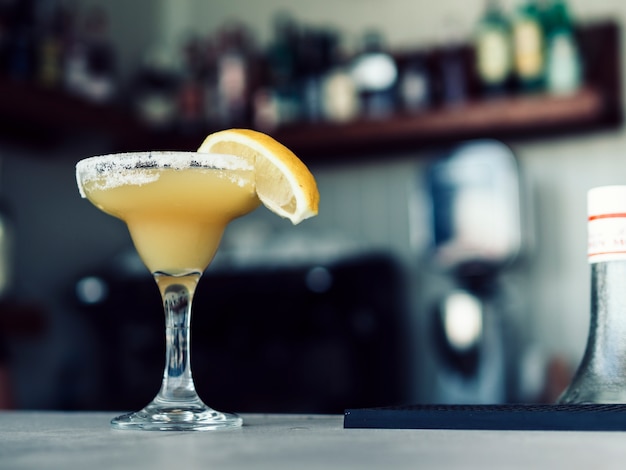
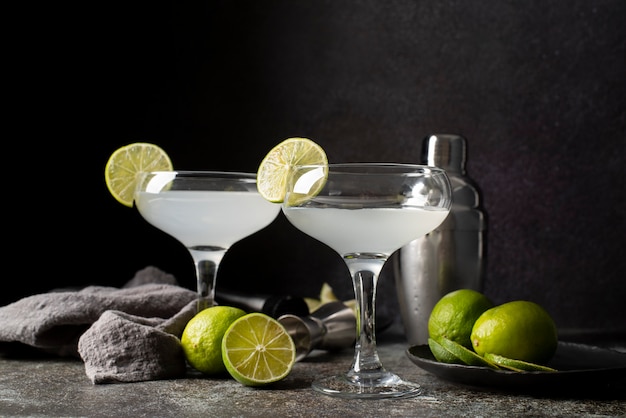
Garnishes are the symbols of cocktail sorcery. A lemon twist is not decoration alone; it releases oil and aroma. A sprig of mint changes the first breath before the first sip. Smoke over a glass adds drama, but also a sense of ceremony. A flaming garnish, used safely and sparingly, can turn a drink into a moment people remember. The best garnishes do not merely decorate the spell. They complete it.
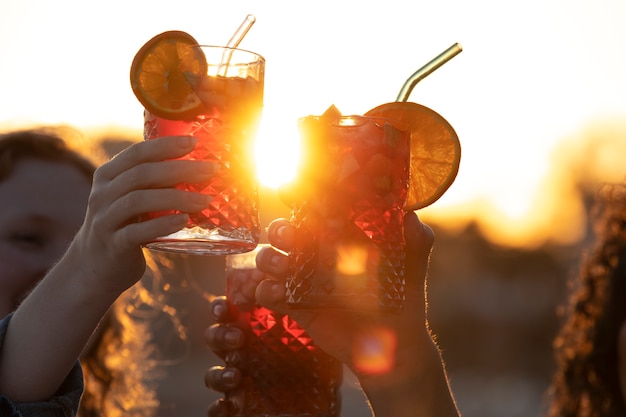
This is why cocktails have always belonged to nightlife, celebration, secrecy, and storytelling. Speakeasies hid behind false doors. Tiki bars built entire worlds out of rum, carved mugs, exotic spices, and theatrical atmosphere. Hotel bars became places where travelers, writers, gamblers, lovers, and performers crossed paths. The cocktail was never just alcohol. It was costume, mood, setting, and illusion.
Sorcery also lives in naming. A drink called “The Last Word” carries a different power than one called “Gin Sour.” “Corpse Reviver,” “Blood and Sand,” “Dark ’n Stormy,” “Zombie,” and “Death in the Afternoon” all sound like they were pulled from a dusty grimoire. The name gives the drink a personality before it is even tasted. It invites the imagination to take the first sip.
Modern mixology has only deepened the connection. Bartenders now use smoke boxes, clarified juices, infused spirits, foams, fat-washing, barrel aging, edible glitter, activated charcoal, and color-changing ingredients like butterfly pea flower. These techniques can feel like laboratory magic, but the goal remains ancient and simple: create wonder.
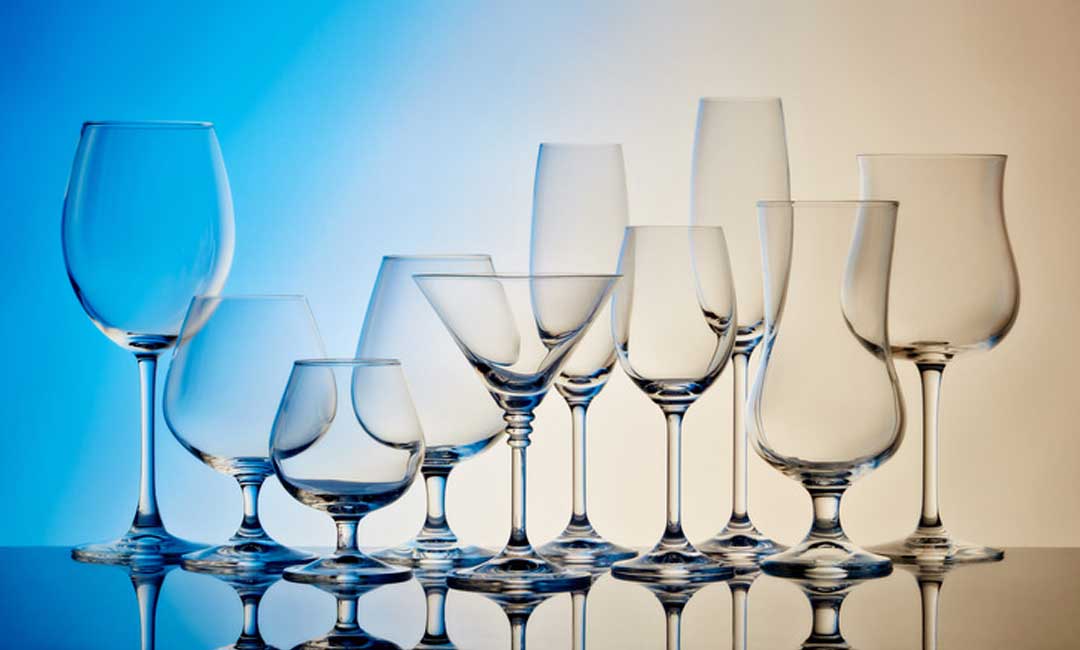
Still, the greatest cocktail sorcery does not require expensive equipment. It requires attention. Fresh citrus instead of bottled sour mix. Proper ice. Measured pours. Good glassware. A sense of timing. A drink served with confidence. The real magic is in making someone feel that the drink was made for them in that exact moment.
Cocktails and sorcery meet in the space between craft and wonder. One uses spirits in bottles, the other spirits of imagination, but both rely on the same secret: ordinary things can become extraordinary when placed in the right hands.
So the next time a bartender stirs a glass until it shines cold, or shakes a drink until the tin frosts over, watch closely. That is not just mixology. That is a small act of transformation.
That is sorcery, served over ice.