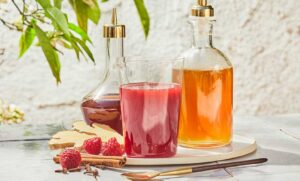
Juices and Mixes Used in Cocktails
Juices and mixes are the backbone of many cocktails. They bring balance, body, color, aroma, and flavor to a drink. While spirits provide the strength and character, juices and mixers often decide whether a cocktail feels bright and refreshing, rich and tropical, tart and crisp, or smooth and easy-drinking.
Fresh ingredients usually make the best cocktails, but bottled juices and prepared mixes can also be useful when speed, consistency, or large-batch service is needed. Understanding how each juice or mix works helps create better drinks and keeps cocktails from tasting too sweet, too sour, or flat.
Citrus Juices
Citrus juices are among the most important ingredients in cocktail making. Lemon, lime, grapefruit, and orange juice add acidity, freshness, and brightness.
Lime juice is sharp, tart, and slightly bitter. It is commonly used in Margaritas, Daiquiris, Mojitos, Gimlets, and many tiki drinks. Fresh lime juice gives a cocktail a crisp edge that bottled lime juice often cannot match.
Lemon juice is bright and acidic but usually a little softer than lime. It is used in Whiskey Sours, Sidecars, Tom Collins, Bee’s Knees, and many classic sour-style cocktails. Lemon pairs especially well with whiskey, gin, brandy, honey, and herbal liqueurs.
Orange juice is sweeter and less acidic than lemon or lime. It adds fruitiness and body to cocktails like the Screwdriver, Tequila Sunrise, Harvey Wallbanger, and various brunch drinks. Fresh orange juice gives a softer, natural sweetness, while bottled orange juice can be more consistent but sometimes heavier.
Grapefruit juice adds tartness with a slight bitterness. It works well with tequila, gin, vodka, rum, and mezcal. Cocktails such as the Paloma and Greyhound rely on grapefruit’s refreshing bite.
Tropical Juices
Tropical juices give cocktails a lush, vacation-style character. Pineapple, passion fruit, mango, guava, and coconut-based mixes are often found in tiki drinks, frozen cocktails, and fruity party drinks.
Pineapple juice is one of the most common tropical cocktail juices. It is sweet, tangy, and foams nicely when shaken. It is used in Piña Coladas, Jungle Birds, Bahama Mamas, and many rum-based cocktails.
Passion fruit juice or puree has a bold sweet-tart flavor. It adds depth and an exotic edge to drinks. It is often used in tiki classics and pairs especially well with rum, lime, and grenadine.
Mango juice is thick, sweet, and smooth. It is often used in frozen Margaritas, rum punches, and vodka cocktails. Because mango can be rich, it usually benefits from lime juice or another acidic ingredient to keep the drink balanced.
Coconut cream or coconut mix is used in creamy tropical cocktails. The Piña Colada is the best-known example. Coconut adds richness and sweetness, but it can easily overpower a drink if too much is used.
Berry and Stone Fruit Juices
Berry and stone fruit flavors add sweetness, color, and seasonal character. Cranberry, cherry, peach, raspberry, and pomegranate are common choices.
Cranberry juice is tart, slightly bitter, and brightly colored. It is used in the Cosmopolitan, Cape Codder, Sea Breeze, and many vodka-based drinks. Cranberry works well because it adds flavor without becoming overly sweet.
Pomegranate juice has a deeper, richer tartness. It is often used in modern cocktails and can serve as a more natural alternative to some grenadine-style flavors.
Cherry juice or cherry syrup gives cocktails a bold red color and rich fruit flavor. It pairs well with bourbon, rye, rum, and cola-based drinks.
Peach juice or peach puree is sweet and soft. It is used in Bellinis, sangrias, summer punches, and frozen drinks. Peach works well with sparkling wine, bourbon, vodka, and rum.
Vegetable Juices
Vegetable juices are less common than fruit juices but are essential in certain cocktails. Tomato juice is the most famous example.
Tomato juice is the base of the Bloody Mary. It has body, savory flavor, and enough acidity to hold up to vodka, hot sauce, Worcestershire sauce, celery salt, pepper, and other seasonings. Clamato, a tomato-clam juice blend, is used in the Bloody Caesar and adds a briny flavor.
Carrot, beet, cucumber, and celery juices are also used in modern craft cocktails. These can give drinks an earthy, fresh, or garden-style character.
Common Cocktail Mixes
Cocktail mixes are prepared blends designed to make drink building easier. Some are simple and useful, while others can be overly sweet or artificial. A good mix should support the spirit instead of covering it up.
Sour mix is usually a blend of lemon or lime juice, sugar, and water. It is used in sours, Margaritas, Long Island Iced Teas, and many bar drinks. Fresh sour mix is much better than shelf-stable bottled versions.
Margarita mix usually combines lime flavor, sugar, and sometimes orange flavor. It is convenient, but fresh lime juice, orange liqueur, and simple syrup often create a cleaner and more balanced Margarita.
Bloody Mary mix combines tomato juice with spices, hot sauce, Worcestershire sauce, citrus, and seasonings. It is useful because Bloody Marys require several ingredients, and a good mix keeps the flavor consistent.
Piña Colada mix usually contains pineapple and coconut flavors. It is convenient for frozen drinks, though fresh pineapple juice and cream of coconut usually produce a better texture and flavor.
Sweet and sour mix is one of the most widely used bar mixes. It can be helpful for high-volume service, but fresh citrus and simple syrup offer better control.
Grenadine is often treated like a mix, though it is technically a syrup. Traditional grenadine is made from pomegranate, while many commercial versions are mostly sugar and red coloring. It is used for color and sweetness in drinks like the Tequila Sunrise and Shirley Temple.
Fresh vs. Bottled
Fresh juice usually gives cocktails the best flavor. Lemon and lime juice are especially important to use fresh because they lose brightness quickly and bottled versions can taste dull or bitter.
Bottled juices can still be useful. Pineapple, cranberry, tomato, and grapefruit juice are often acceptable from a bottle or can, especially when making drinks for a crowd. The key is choosing juices without excessive added sugar or artificial flavors.
Prepared mixes are best when convenience matters, but they should be tasted before use. If a mix is very sweet, the drink may need extra citrus or less added syrup. If a mix is weak or flat, fresh juice can improve it.
Balance in Cocktails
The goal of using juices and mixes is balance. A good cocktail usually has a relationship between strong, sour, sweet, and sometimes bitter flavors. Too much juice can water down the spirit. Too much mix can make the drink taste candy-like. Too much citrus can make it harsh.
A well-made cocktail lets each ingredient play its part. The juice should brighten the drink, the sweetener should soften it, and the spirit should still be recognizable.
Conclusion
Juices and mixes are more than fillers in cocktails. They shape the drink’s flavor, texture, color, and personality. Citrus juices bring brightness, tropical juices add richness and escape, berry juices provide color and tartness, vegetable juices create savory depth, and prepared mixes offer speed and consistency.
Whether making a classic Whiskey Sour, a fresh Margarita, a tropical Piña Colada, or a bold Bloody Mary, choosing the right juice or mix can turn an ordinary drink into a memorable cocktail.